
By understanding the biological underpinnings of teen mood and behavior, adults can better support young people during this critical phase.
Blog
The Role of Mindfulness Practices in Teen Stress Management

Mindfulness offers a practical, science-backed approach to help teens manage stress and build emotional resilience.
The Link Between Exercise and Mental Health in Teens: Encouraging Physical Activity for Emotional Well-being

We explore the link between exercise and mental health in teenagers, with strategies to encourage physical activity as a means to boost emotional well-being.
The Role of Peer Support Programs in Teen Mental Health Recovery

We discuss how peer support programs play a pivotal role in recovery and long-term well-being.
The Role of Group Therapy in Teen Mental Health Treatment: A Path to Healing Together

We discuss the role of group therapy in teen mental health treatment, the benefits, and why it is an essential component of adolescent care.
Combining Equine Therapy with Traditional Counseling: A Comprehensive Approach to Teen Mental Health
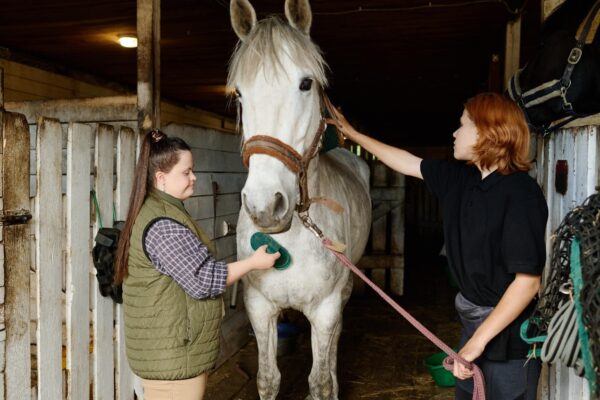
Combining equine therapy with traditional counseling provides a more holistic and effective treatment plan for teens.
Breaking Down Barriers: How Equine Therapy Helps Teens Communicate Non-Verbally

For teens struggling to find their voice in a complex world, equine therapy offers a pathway to self-discovery and emotional growth that is both nurturing and empowering.
The Role of Recreational Therapy in Fostering Teen Leadership Skills

By emphasizing the importance of collaboration, responsibility, and self-reflection, recreational therapy plays an invaluable role in preparing teens for leadership in all aspects of life.
Navigating Grief and Loss: Helping Teens Cope with Emotional Pain

We discuss how to support teens through difficult times, providing them with the tools they need to cope with their emotions and begin the healing process.
The Impact of Peer Pressure on Teen Mental Health: Recognizing and Responding

Understanding the impact of peer pressure and learning how to recognize and respond to it is crucial for both teenagers and the adults who support them.